










 L-C
L-C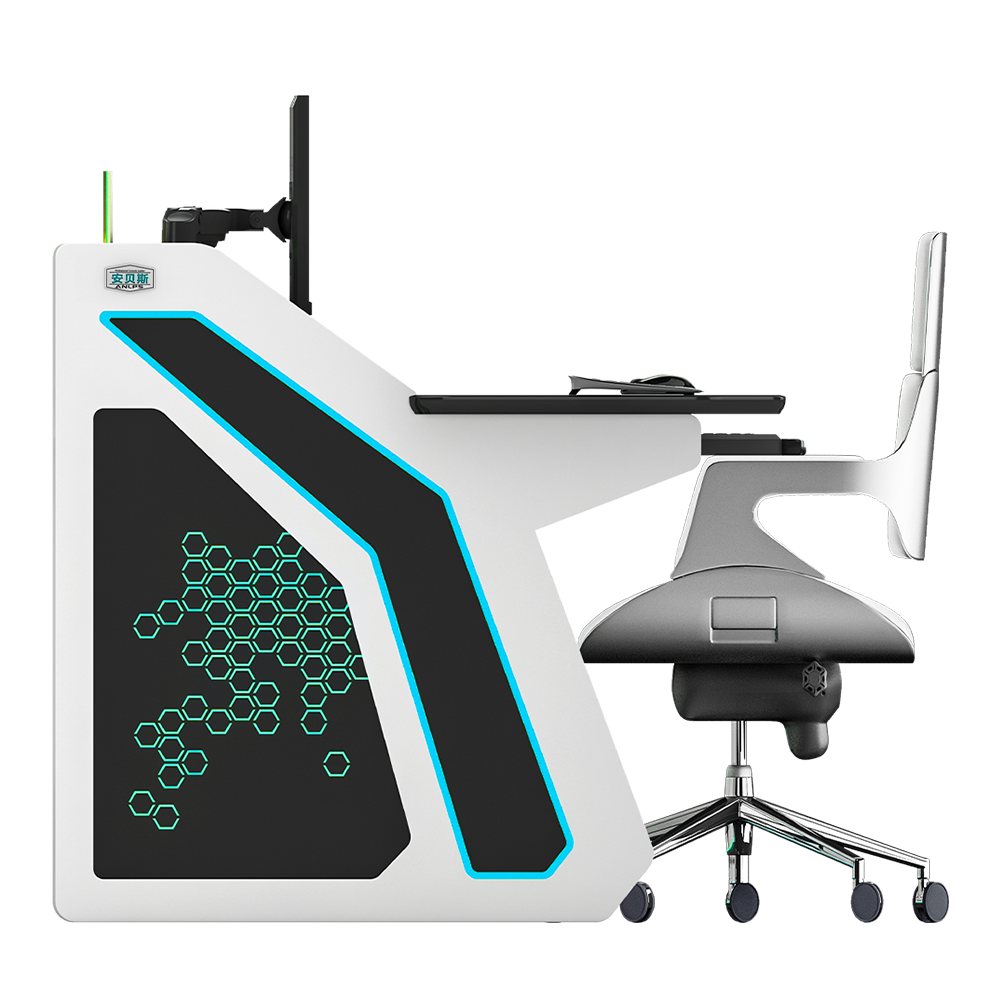
 L-K
L-K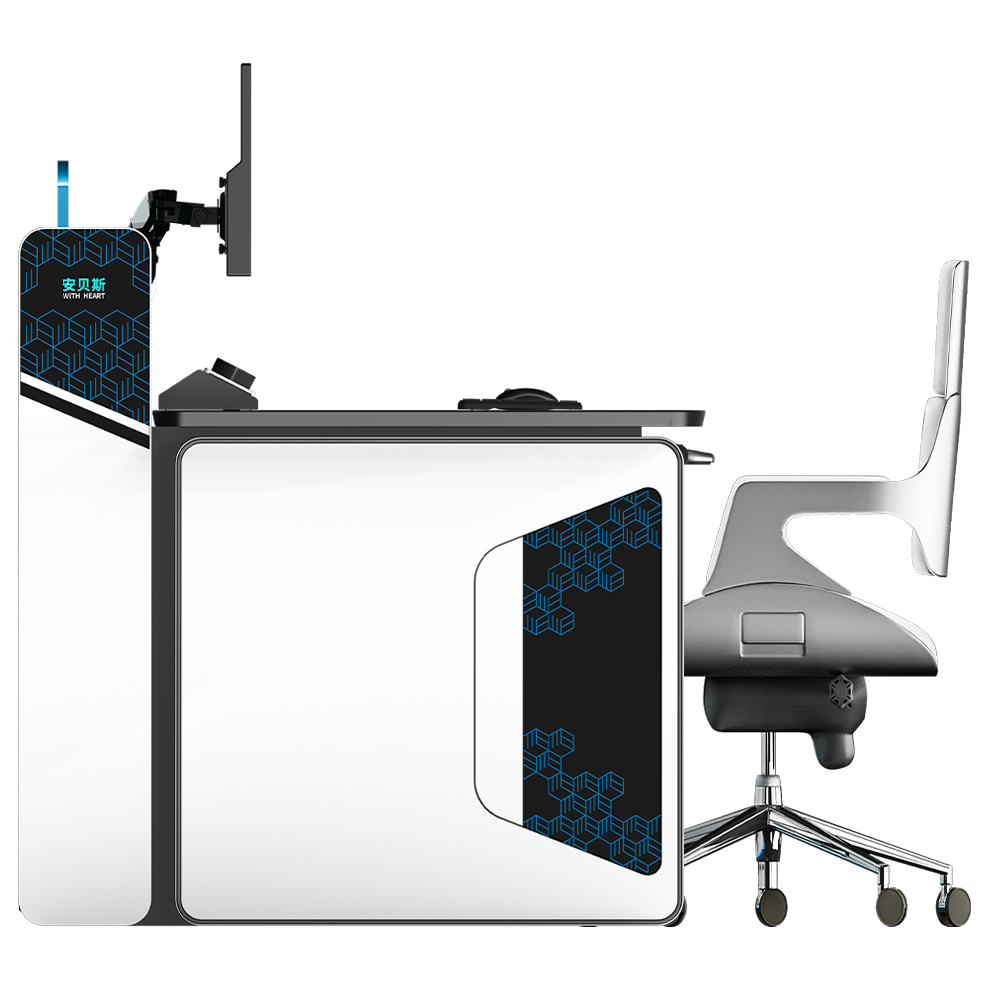
 GP-S
GP-S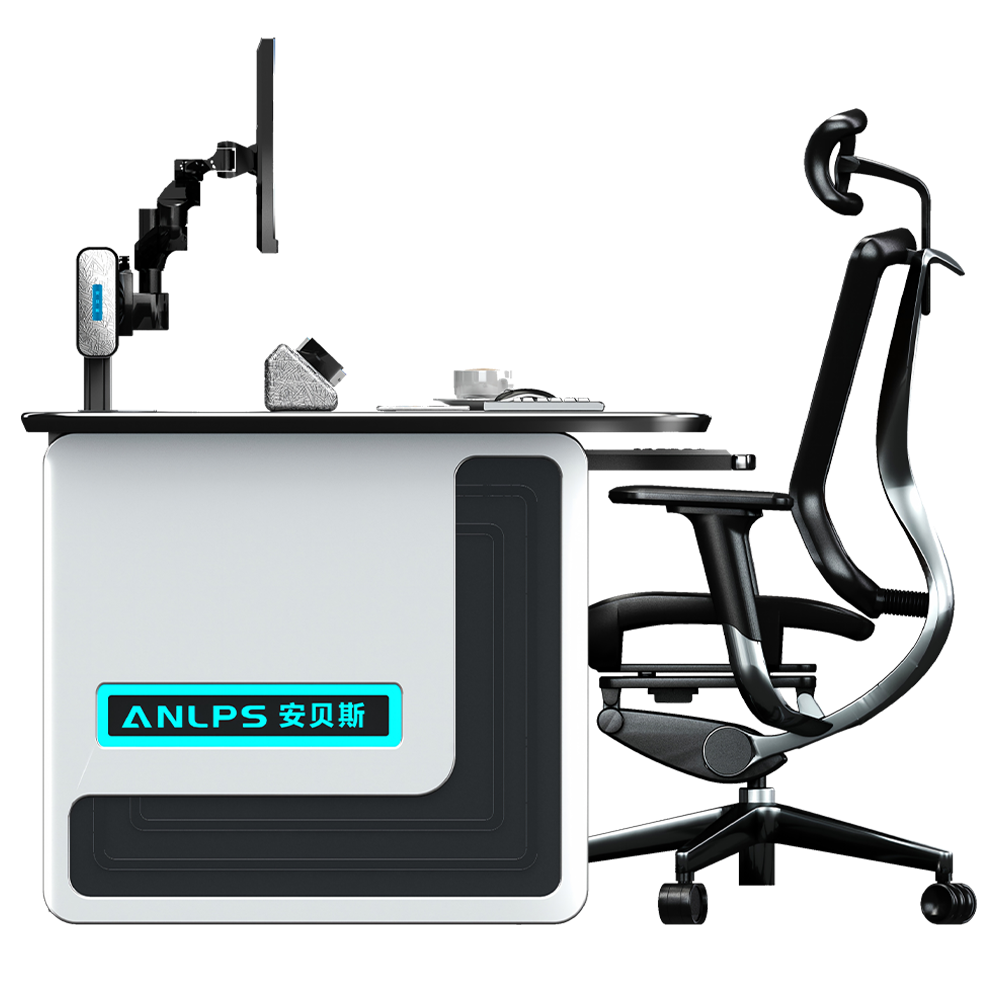
 F1
F1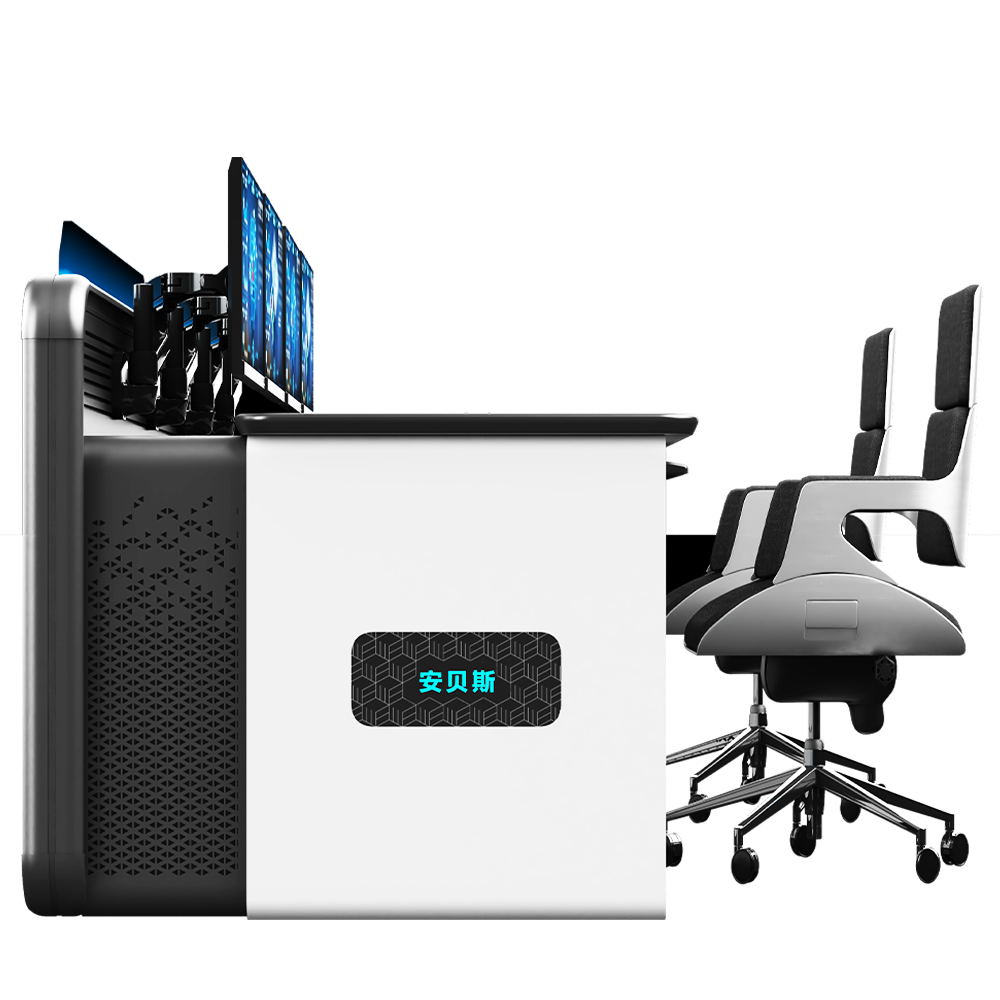
 F2
F2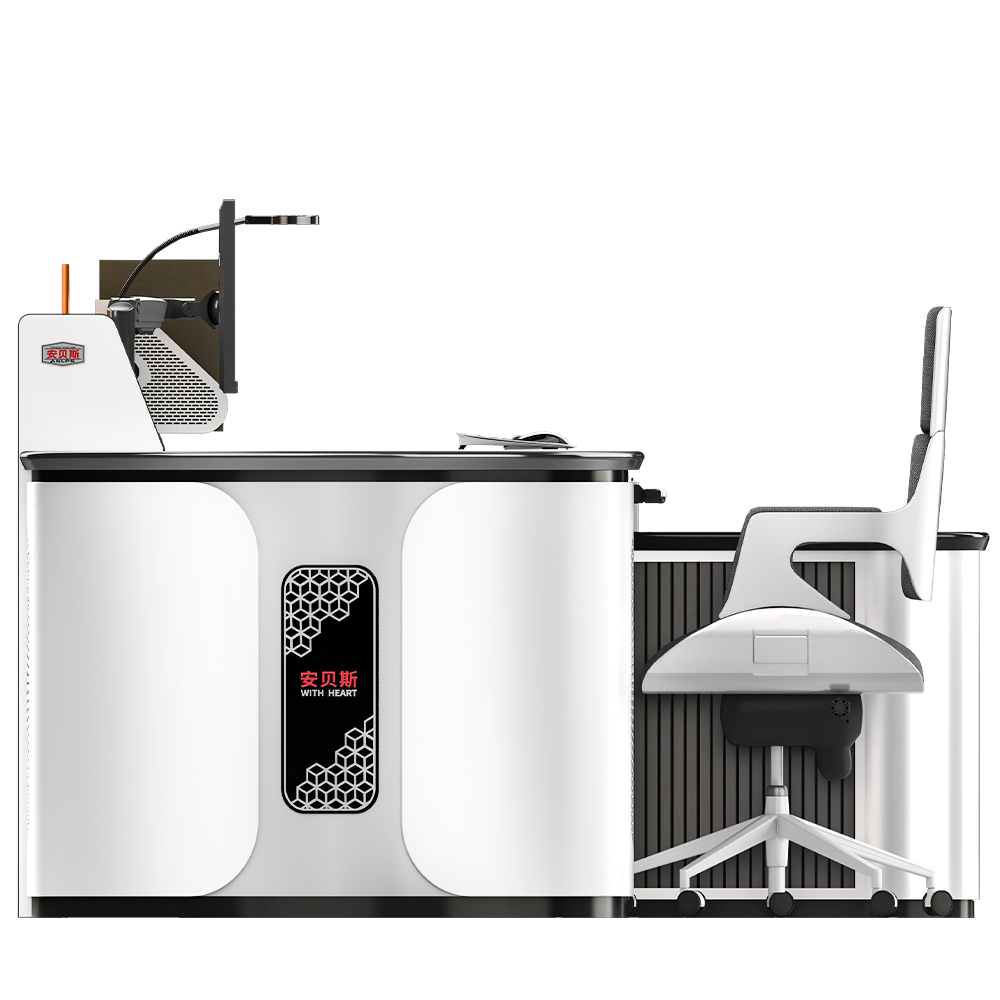
 P
P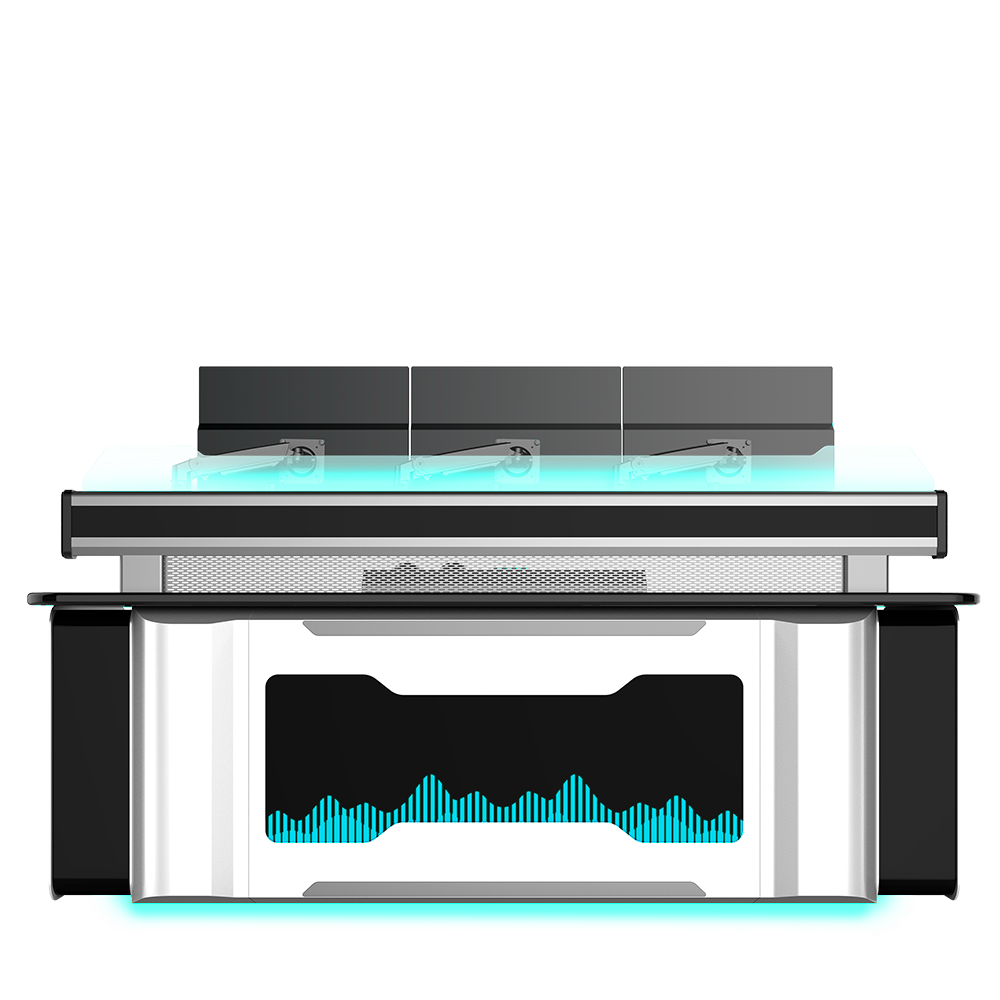
 ZGM-Z
ZGM-Z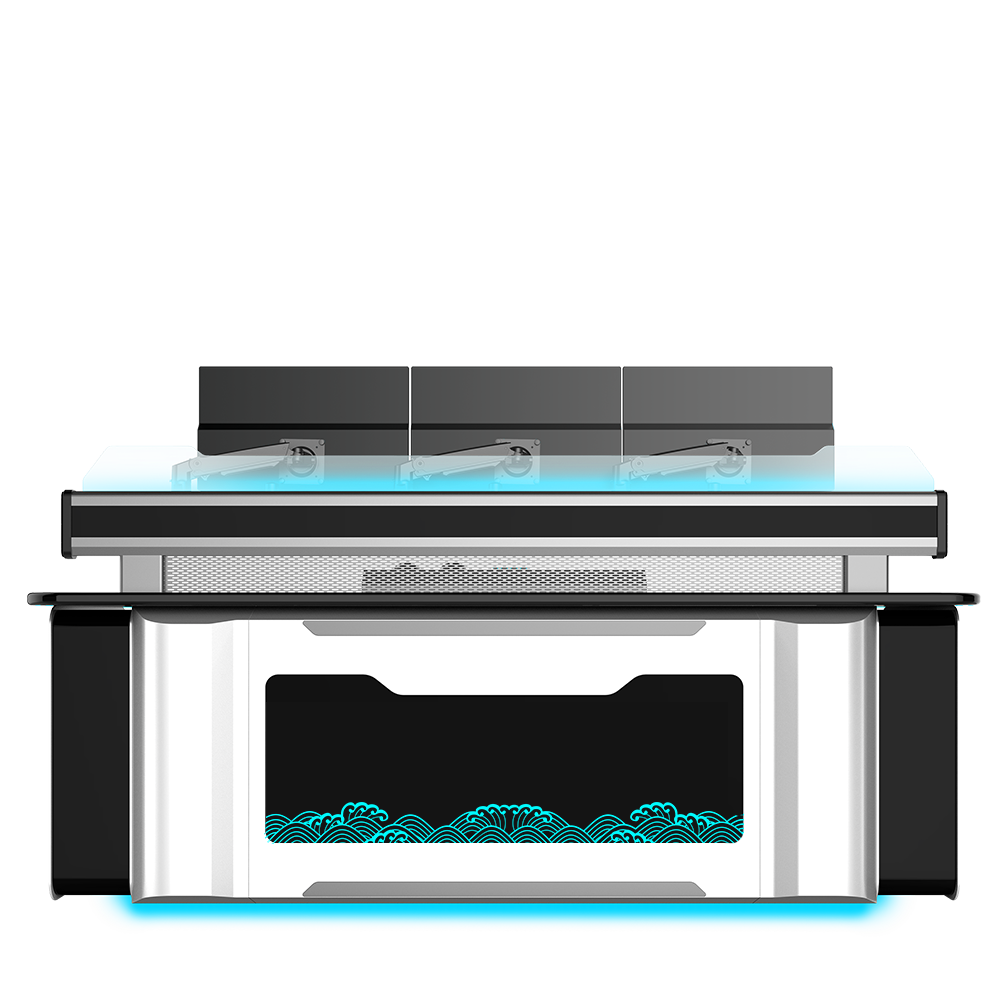
 ZGM-G
ZGM-G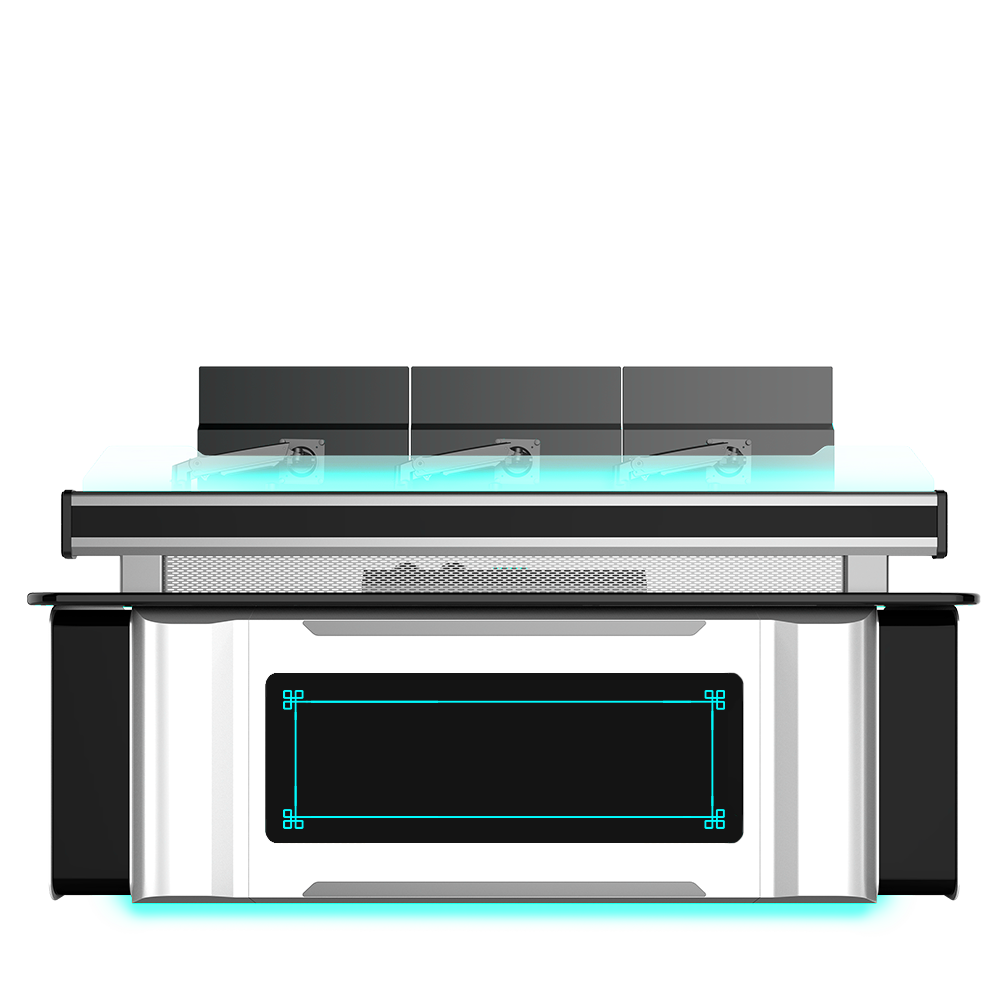
 ZGM-M
ZGM-M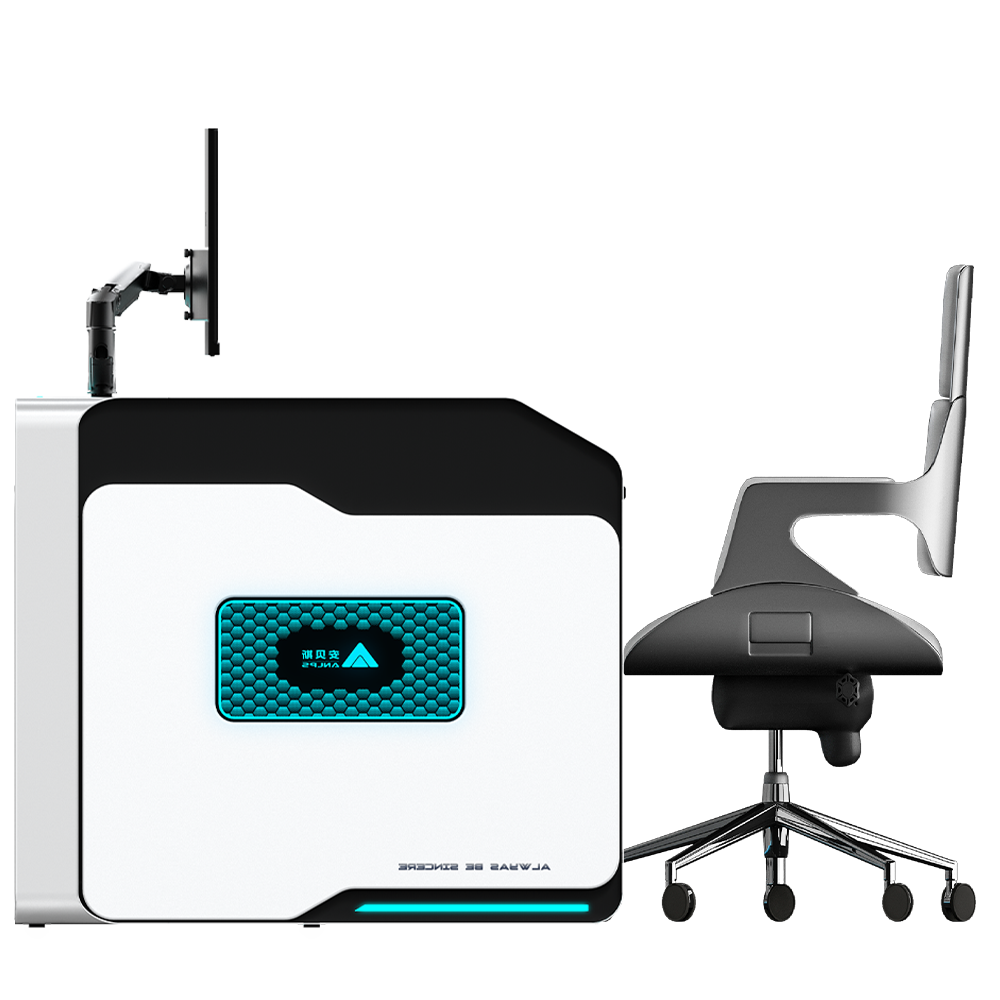
 NEO-MT
 M2
M2
 M3
M3
 GW-U
GW-U















1、 Industry background and core driving factors
In the coming years, the evolution of power dispatch consoles will be directly influenced by the pace of new power system construction. The continuous increase in the proportion of new energy installed capacity has intensified the volatility of the power grid, the real pressure of extreme weather on power supply reliability, and the business demand for real-time interaction among multiple entities after the operation of the electricity spot market, which together constitute the external driving force for the upgrade of console functions. These changes require the dispatch console, as the most direct operational interface for dispatchers, to respond in terms of information carrying capacity, operational efficiency, and human-machine adaptability.
2、 Changes in the role of the console
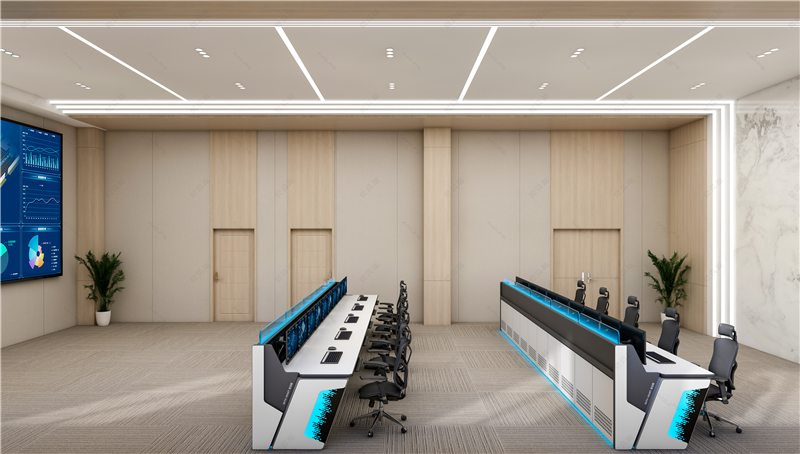
The role of the console is transitioning from a passive display medium to an active human-machine collaborative node. The core task of the dispatch center in the past was to reliably display data, but now it is required to assist dispatchers in understanding the situation faster and executing operations more accurately beyond data display. This means that the layout logic, screen combination, and input/output device configuration of the console itself need to be redesigned around the link of "shortening cognition decision operation".
Specifically, three levels of changes are occurring: at the perception level, the number of information sources that the console needs to access has significantly increased. In addition to traditional telemetry and telecommunication data, meteorological information, market prices, and equipment status monitoring data will be pushed to dispatchers; At the operational level, the confirmation and execution frequency of routine adjustment instructions have doubled, and the layout of operating components on the console needs to be more efficient; At the collaborative level, the console is no longer an isolated workstation, but needs to maintain information synchronization with other workstations on the same site and remote plant operation terminals.
3、 Specific technological evolution direction of console
①.Screen configuration and information partitioning
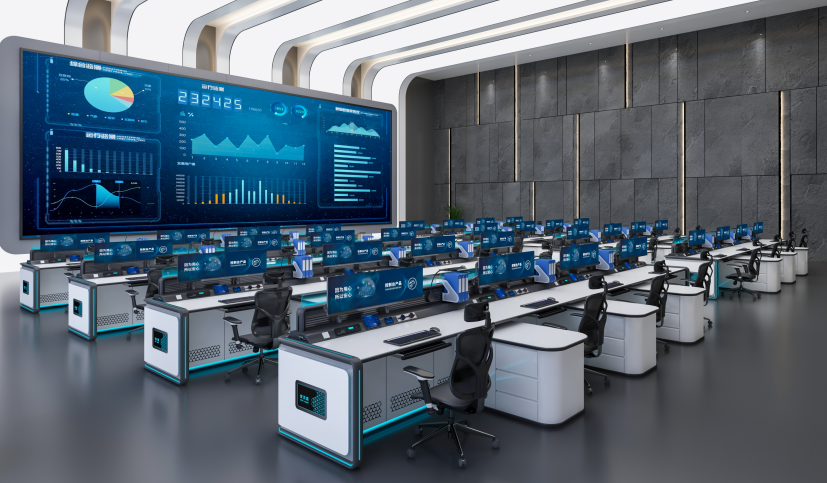
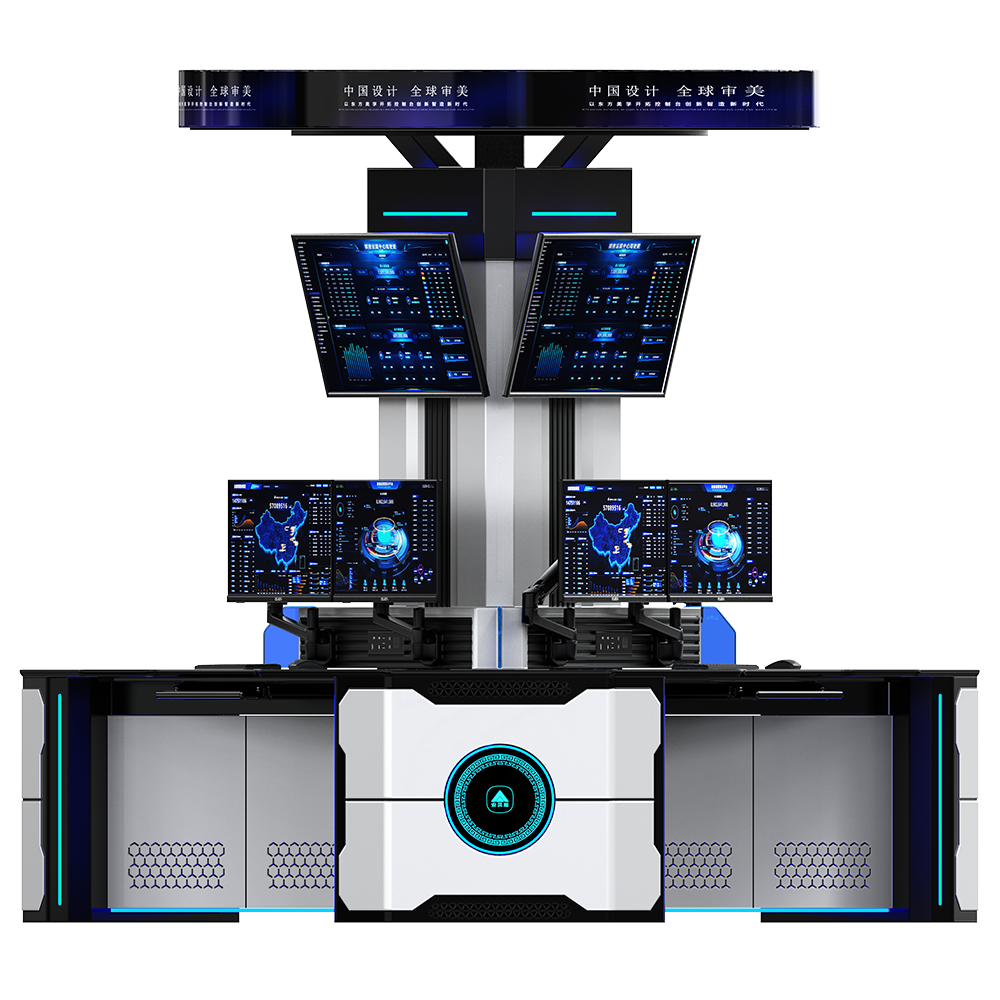
The most intuitive change in the dispatch console is reflected on the screen. The traditional two or three screen configuration is being replaced by four or even six screen solutions, but the increase in the number of screens does not simply equate to an improvement in information efficiency. A reasonable partitioning logic is more crucial: the core area displays the main power grid connection diagram and real-time power flow in a fixed manner, the auxiliary area broadcasts equipment operating conditions and alarm lists in a rotating manner, and the edge area is used to display long-term reference information such as meteorological cloud maps and market trends. The screens need to have linkage capability. When the dispatcher clicks on a certain plant station on the main wiring diagram, the auxiliary screen automatically switches to the detailed wiring and equipment parameter page of that plant station.
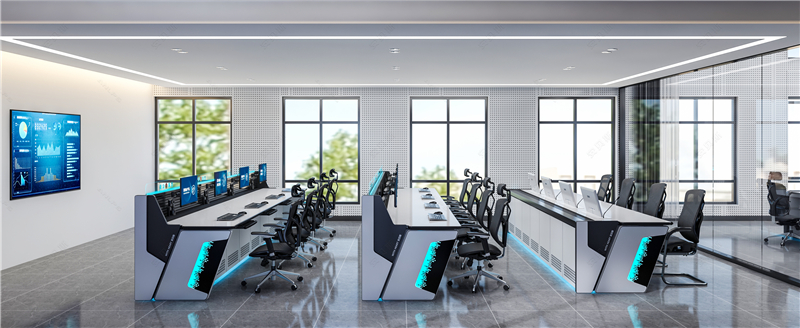
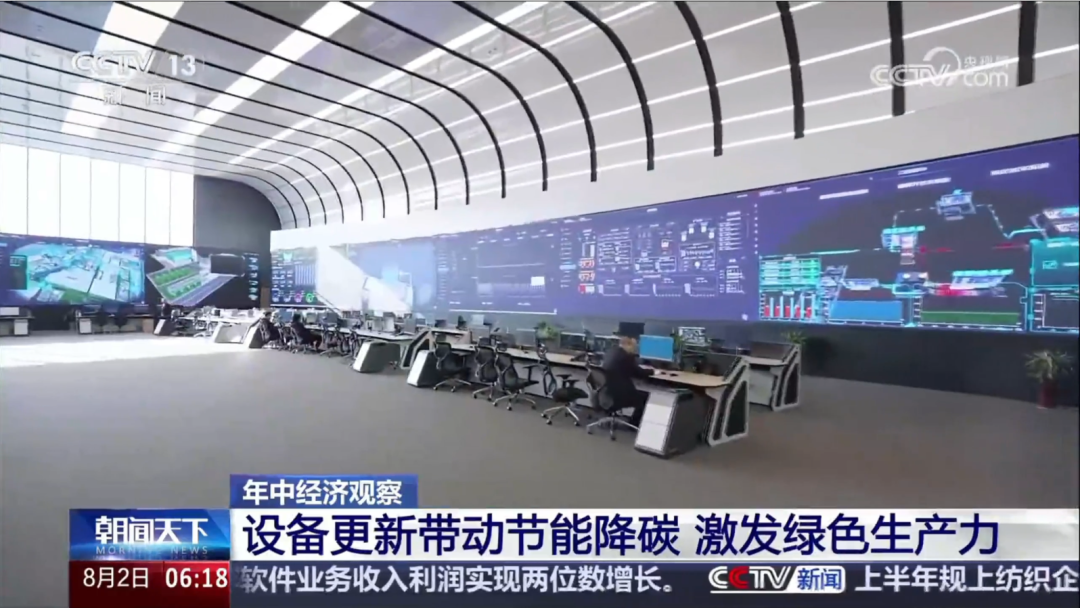
The physical specifications of the screen itself are also changing. The popularity of high-resolution large screens enables dispatchers to clearly see small labels and values at a longer line of sight, which puts higher demands on the depth of the console table and the load-bearing capacity of the screen bracket. Curved screens and wrap around layouts have begun to enter the dispatch hall, with the aim of reducing the rotation amplitude of dispatchers' heads and bringing key information into the central field of view.
Anlps console has accumulated rich project experience in this field. As an in-depth partner of the State Grid, Anlps has assisted in the construction of dozens of substations and technical centers. Its console products are used in the Jinshang Hubei ± 800 kV UHV DC transmission project - the first UHV DC project to go deep into the hinterland of the Sichuan Tibet Plateau. Faced with harsh conditions such as high altitude, low temperature, and complex electromagnetic environment, Anlps has comprehensively optimized its structural design, environmental adaptability, and human-computer interaction to ensure the stability of the console under extreme conditions. In addition, Anlps has also provided an overall console solution for the world's largest UHV converter station. Its products assume the dispatching command function in the core area of the converter station, integrate a variety of communication equipment interfaces, and support the operation and maintenance personnel to report the on-site situation and receive execution instructions at the first time. In an UHV DC converter station in Zhejiang Province, the Anlps console supports 7x24 hours of uninterrupted operation during the summer peak of the grid in 2025, providing a stable operating platform for dispatchers.
②. Intelligent upgrade of operating components
The physical operating components on the console have not disappeared, but complement the virtual interface. Traditional control switches and buttons are being replaced by programmable touch knobs, which define their functions through software and correspond to different adjustment objects in different scenarios, such as adjusting the voltage setting value during normal operation and switching to adjusting emergency power commands during accidents.
Keyboard and mouse are still the main input methods, but voice input has begun to enter the dispatch console as a supplementary means. Dispatchers can access specific screens, query device parameters, and review historical curves through voice commands, without involving the issuance of control instructions. The risk of accidental touches in voice recognition is controllable. In emergency situations, the hard wired buttons and emergency trip handles retained on the control panel remain the most reliable means of operation, with physical isolation and mechanical locking mechanisms ensuring the seriousness of critical operations.
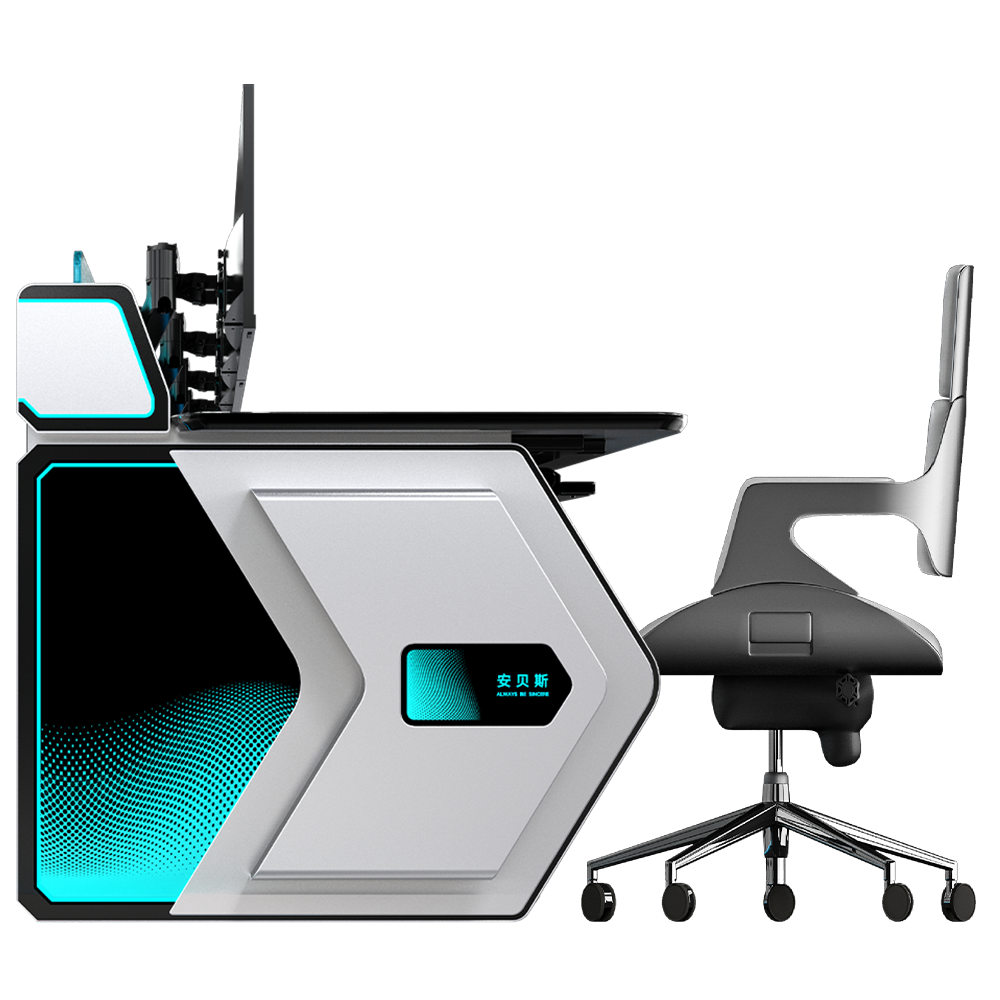
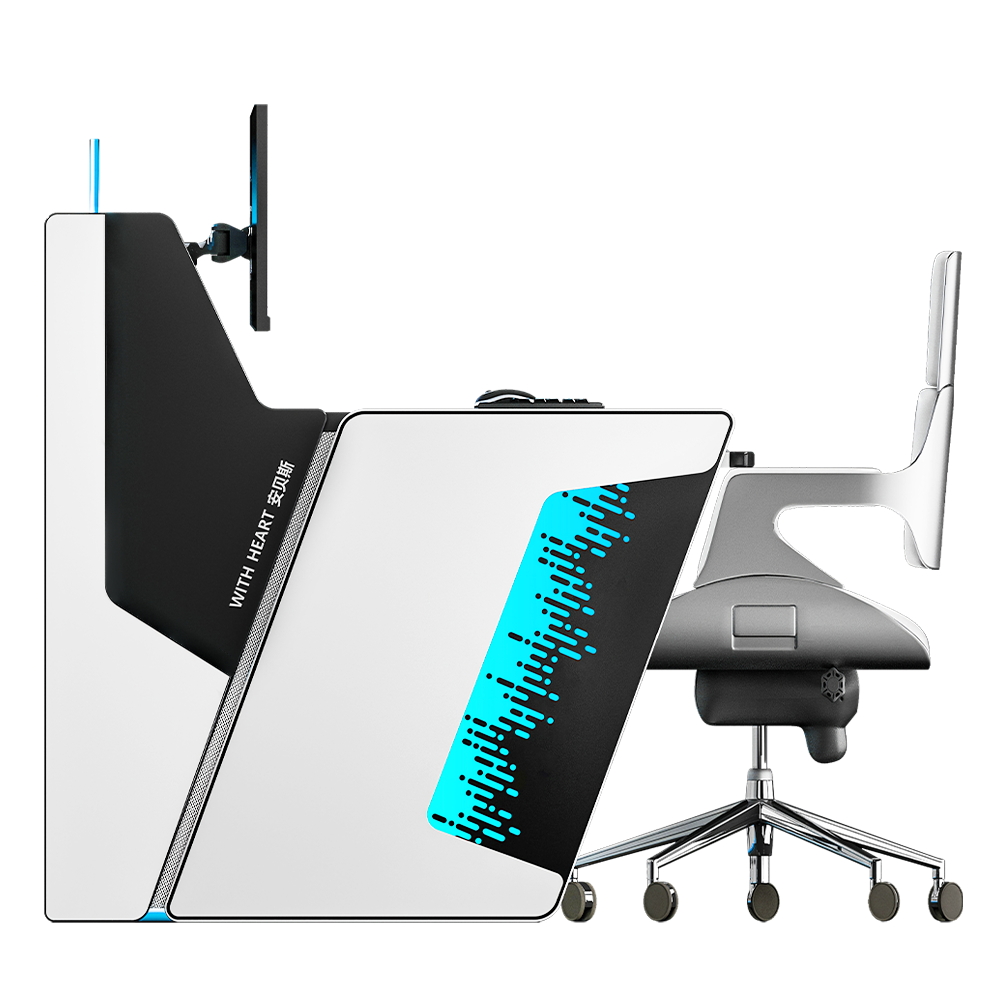
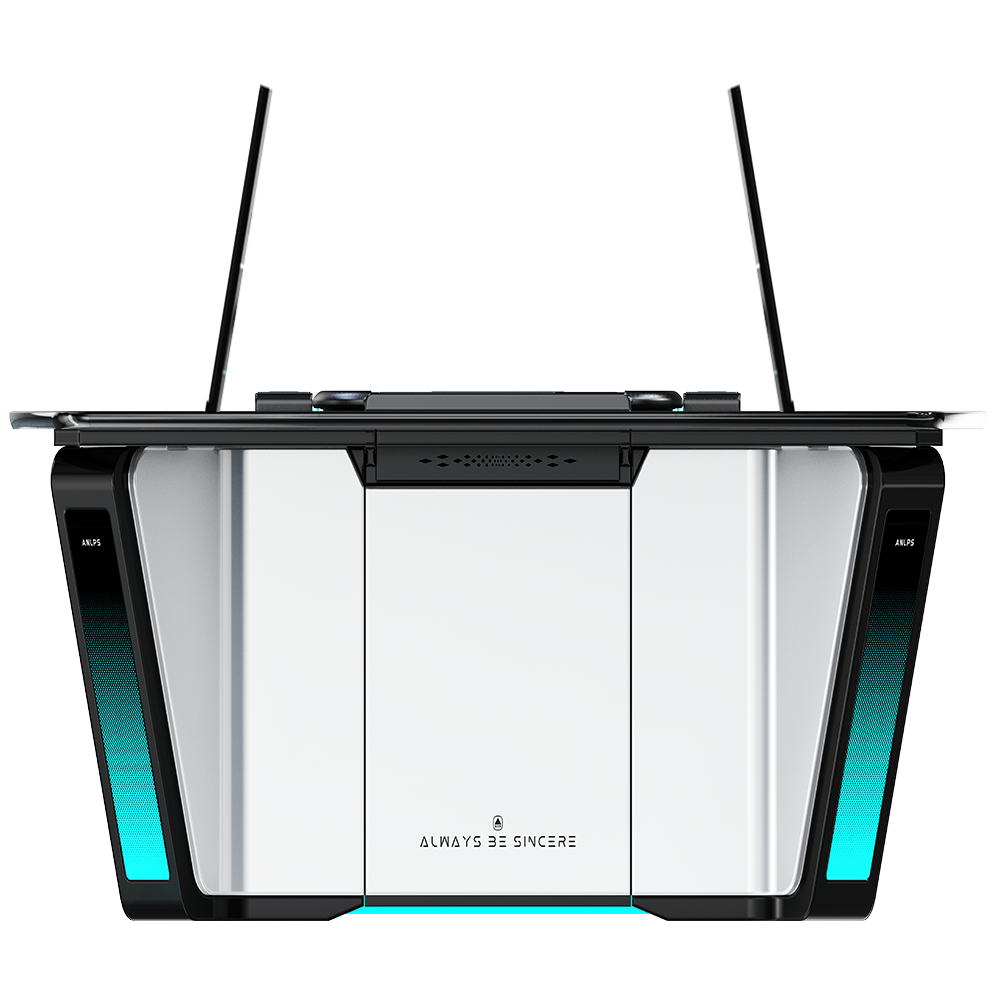
Anlps also has a layout in terms of the integration of dispatching console operating parts. The hardware solution of the "Smart Power Dispatch Command Center" launched by it is equipped with a combination multimedia dispatch console, L-shaped intelligent control operation platform, intelligent control storage cabinet and other equipment. It adopts a "joint+multi screen" architecture, aiming to achieve synchronous and joint display of information from various systems, and improve the overall deployment and efficient decision-making ability of the power dispatch command center. Its console product also integrates high-precision buttons and other operating components, helping dispatchers to issue precise instructions to the system.
③. Ergonomics and Optimization of Operating Environment
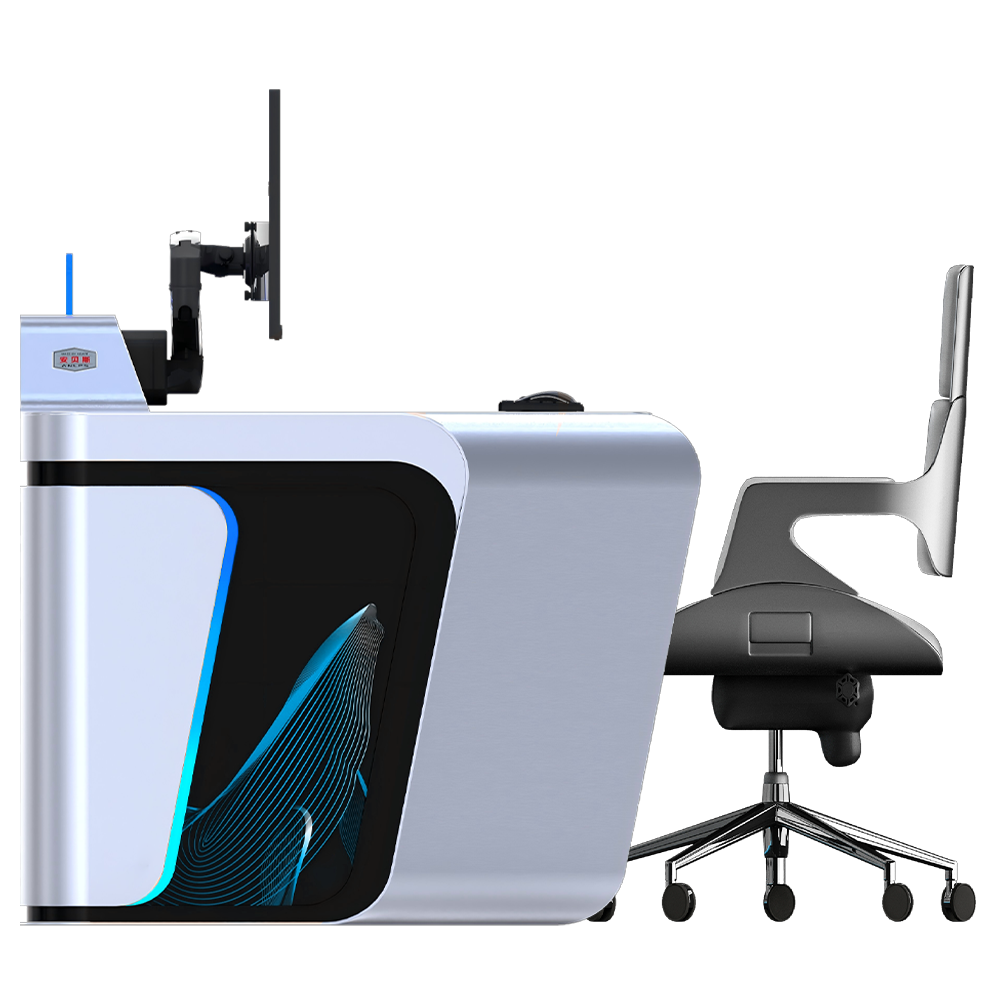
The design of dispatch stations increasingly focuses on human adaptability in long-term duty scenarios. Alternating sitting and standing workstations are becoming standard, with adjustable tabletop heights covering both sitting and standing positions to accommodate different body types and operating habits. The monitor stand supports forward and backward pitch and left and right rotation, avoiding cervical spine problems caused by long-term fixed posture.
Anlps has a systematic consideration in ergonomic design. Starting from details such as table height, display angle, keyboard and mouse position, and noise reduction, the console strives to provide a comfortable operating experience for dispatchers. Reasonable visual layout helps dispatchers quickly obtain key information and reduce visual fatigue; The design of the operating space that conforms to the natural posture of the human body aims to alleviate muscle strain caused by prolonged sitting posture.
The design of the heat dissipation structure directly affects the operational stability of the electronic devices inside the console. With the increasing integration of workstation computing devices, the thermal density inside the console is also rising. Reasonable air duct layout and natural convection design are more reliable than relying solely on fans for forced heat dissipation. Some high-end consoles adopt a front to back transparent heat dissipation channel structure, where cold air enters from the front and bottom of the tabletop, and hot air is discharged from the back and top of the tabletop, forming an orderly thermal management path.
Anlps console has special technical input in terms of cooling structure. It achieves separation of strong and weak electricity and optimization of ventilation and heat dissipation through scientific internal structural design, ensuring the stability and reliability of the equipment under long-term and high load operation, which is particularly critical during high load operation.
Cable management is another detail that is easily overlooked but has a huge practical impact. The signal cables connected to the dispatch console are numerous and diverse, including power cables, video cables, network cables, dedicated control cables, etc. Reasonable cable rack design and layered wiring layout not only affect the convenience of daily maintenance, but also relate to the quality of signal transmission and the difficulty of replacement after line aging. Anlps' console solution includes careful line planning, which can avoid potential safety hazards caused by disordered lines by reasonably arranging cable routes.
④. Coordination between mobile terminals and fixed workstations
The work scenario of dispatchers is no longer limited to fixed workstations in the dispatch hall. The inspection and on-site emergency response needs equipped with mobile terminals require the console to have the ability to synchronize data with mobile devices. After the dispatcher leaves the workstation, they can access the simplified dispatch screen through a tablet or laptop to complete non critical tasks such as equipment parameter review and operation ticket browsing. When returning to the workstation, the operation records and annotation information on the mobile device can be automatically synchronized back to the main system to maintain work continuity.
⑤. console material and manufacturing process
The dispatch hall usually operates in a 24-hour uninterrupted environment, and the choice of console material directly affects the equipment's lifespan and daily maintenance costs. Cold rolled steel plate is the mainstream platform material, and plates with a thickness of 1.2 to 1.5 millimeters can ensure long-term use without deformation. The surface spraying process adopts electrostatic powder spraying, which has corrosion resistance and scratch resistance, and maintains consistency in appearance during frequent daily cleaning. The selection of countertop materials also needs to be considered. Anti double special panels or high-pressure decorative panels are widely used due to their wear-resistant, heat-resistant, and easy to clean characteristics. The color scheme is mainly dark gray to reduce the interference of screen reflection on the dispatcher's line of sight.
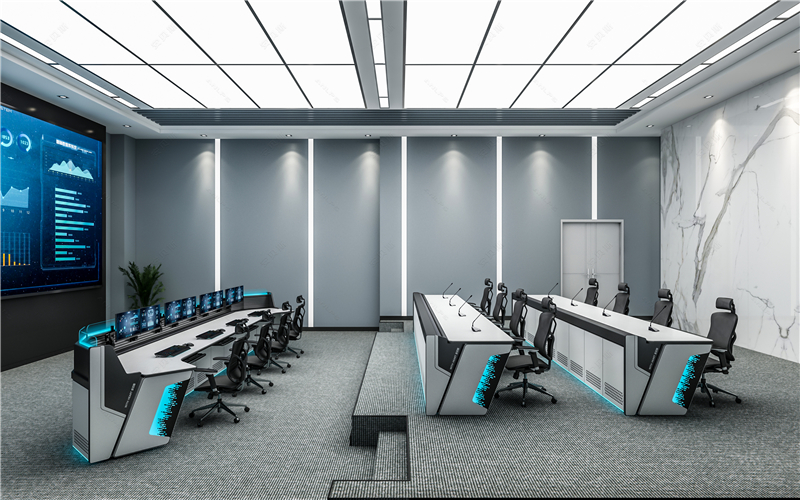
As one of the few "specialized, refined and new" enterprises in the console industry, Anlps has strict quality control standards in product materials and manufacturing processes. Its product line covers multiple series and can provide customized solutions for different application scenarios.
4、 Requirements for console manufacturers
The above trend has put forward clear requirements for console hardware suppliers. Firstly, with the increase in the number and weight of display terminals, the overall structural strength and bracket system of the console need to be redesigned to ensure long-term stability under multi screen suspension. Secondly, there is the customization capability of heat dissipation solutions. The equipment density and installation environment in different scheduling halls vary greatly, and thermal simulation analysis and air duct design need to be carried out for specific projects. The third is the standardization of cable management, which requires clear routing and sufficient space for cable management to meet the bending radius requirements of optical fibers and network cables. The fourth is the reliability of power distribution. Key equipment requires independent dual power supply circuits, and the wiring terminals should have anti loosening design.
Taking Anlps as an example, its console solution for the power industry adopts modular design, which facilitates the increase, decrease, upgrade and maintenance of equipment according to business needs in the future, and ensures that the dispatching platform can adapt to the growing information and processing complexity in the process of intelligent and digital transformation of the power grid. This modular approach directly responds to the practical need for continuous upgrades in the long-term operation of power dispatch centers.
Overall, the development of power dispatching consoles is in a stage of relatively stable hardware form and continuous improvement in functional integration. The console itself is still a combination of sheet metal structure and electronic devices, but the information density, operational efficiency, and comfort requirements it carries are no longer the same as before. For equipment manufacturers, whether they can achieve solid capabilities in board technology, structural design, and heat dissipation management, while flexibly adjusting screen layout, operating component configuration, and cable management plans according to changes in scheduling business, determines whether their products can occupy a place in the construction of the next generation scheduling center.
The essence of a dispatch console is still an operational tool that serves people. The ultimate measure of all technological upgrades is whether dispatchers can complete operations faster, more accurately, and more calmly when facing complex power grid conditions. With the actual delivery experience in many power projects such as "West East Power Transmission", UHV converter station, provincial grid dispatching center, Anlps has formed a relatively complete project history and industry cognition accumulation in the field of power industry console.